Motorised Blinds: Are They Worth It For Your Home?
Picture this: it's early evening, the sun is streaming through the west-facing windows and you're halfway through cooking dinner with your hands covered in flour. Reaching for a cord to adjust the blinds isn't an option, so you either squint through the glare or wait it out. It's a small frustration, but one that plays out in homes every single day, particularly in the Southern Highlands, where temperatures can swing sharply between morning frost and afternoon sun.
As more homeowners renovate or build new, the question of whether motorised blinds are worth the extra cost keeps coming up. Understanding how these systems work, the types available, what they cost and what to expect from a professional installation can help you decide whether the upgrade makes sense for your home.
How Motorised Blinds Work
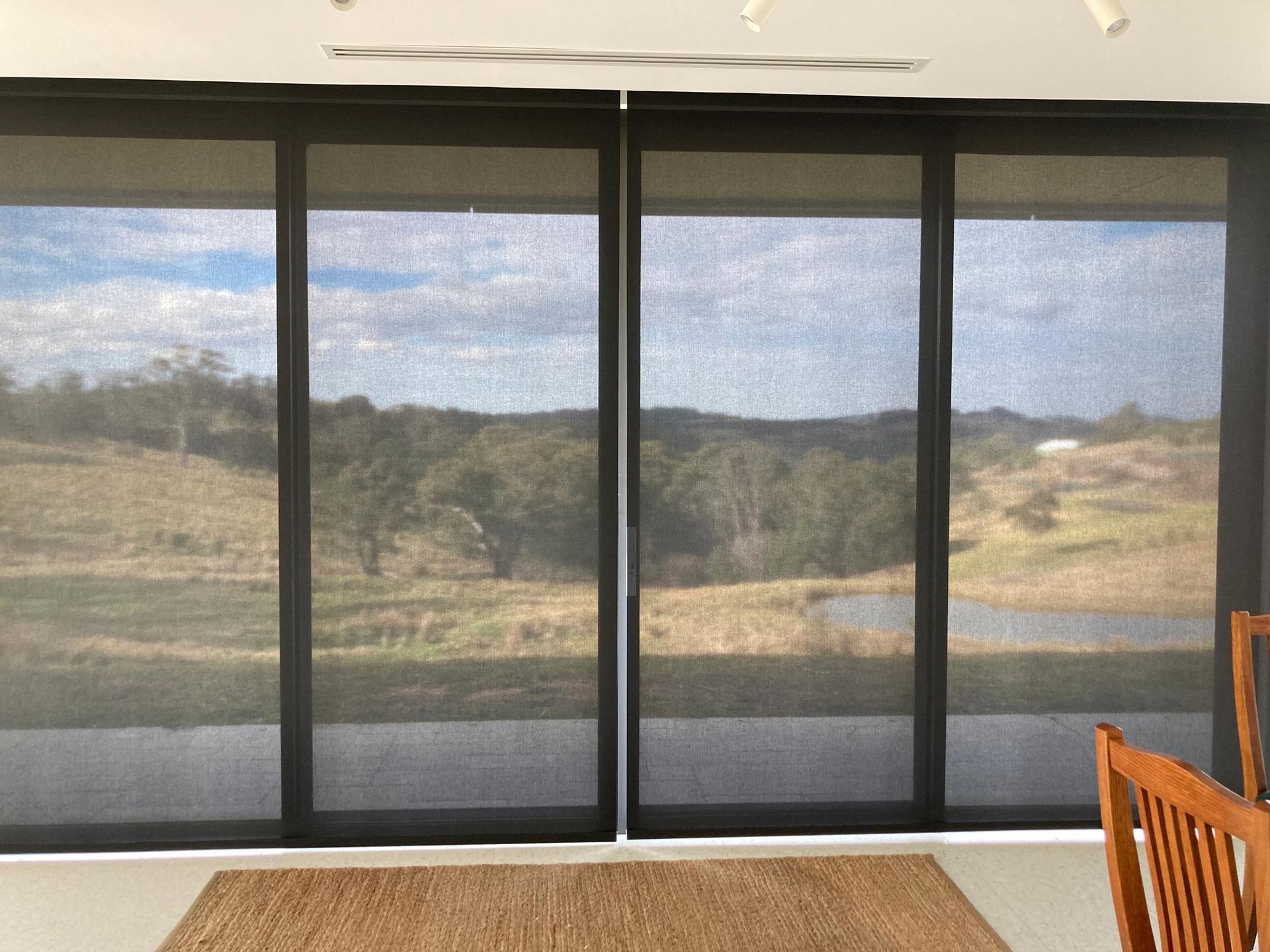
At their core, motorised blinds replace the manual chain, cord or wand with a small electric motor built into the headrail. The motor is powered either by a rechargeable battery or hardwired into your home's electrical system. This is controlled using a remote, wall switch or smartphone app.
Here's how the two main setups compare:
- Battery-powered motors are generally easier to retrofit into existing homes, since they don't require new wiring.
- Hardwired systems tend to suit new builds or major renovations, where wiring can be planned in from the start.
- Many systems can be grouped into zones, allowing several blinds to open or close together at the touch of a button.
For homeowners searching for blinds in Mittagong who are weighing up their options, understanding this basic mechanism helps explain why installation requirements and pricing can vary so much between products.
Types of Motorised Blinds Available
Motorisation isn't limited to one style of blind. Most of the popular options can be fitted with an electric mechanism, which means the decision to automate doesn't have to come at the expense of the look you want.
A few of the most common styles to consider:
- Roller blinds are the most commonly motorised option, largely because their simple mechanism suits automation well and they work across a wide range of window sizes.
- Roman blinds can also be motorised, offering a softer, fabric-led aesthetic for living areas and bedrooms.
- Pleated blinds are a good fit for skylights or angled windows, where manual operation is often impractical.
Each style has its own strengths depending on the room, the amount of light control needed and the overall design of the home.
Practical Benefits for the Home
The appeal of motorised roller blinds and other automated styles often comes down to solving specific, everyday problems rather than simply adding convenience for its own sake.
Think about where this makes the biggest difference:
- Hard-to-reach windows, such as those above stairwells, behind kitchen benches or in high-ceiling living areas, become manageable without a ladder.
- Households with young children benefit from the absence of trailing cords, addressing a recognised safety concern.
- Older homeowners or those with limited mobility gain independence in managing light and privacy without physical strain.
These practical gains are often the deciding factor for families and retirees alike, rather than the technology itself.
Convenience & Accessibility
Beyond solving specific problems, day-to-day convenience is usually the first benefit people notice once a system is installed. Remote control blinds allow adjustment from a single button, a phone app or, in some setups, voice command.
A bit of what that looks like in practice:
- Scheduling features let blinds open and close automatically at set times, which suits people with irregular work hours.
- Some systems can be paired with light or temperature sensors, so blinds respond to conditions rather than a fixed timer.
- For homes already using smart home technology, automated window coverings can be integrated into existing hubs alongside lighting and heating.
This level of accessibility is particularly relevant for Southern Highlands homes with large or multiple windows, where manually adjusting each one throughout the day isn't always practical.
Cost Considerations in Australia
Motorised blinds cost more upfront than manual equivalents, and it's a fair question homeowners comparing blinds in Mittagong often ask: Is that additional expense justified? Pricing depends on several factors rather than a single flat rate.
Here's what tends to move the price up or down:
- The type of blind chosen, with roller blinds generally sitting at the more accessible end compared with custom pleated or Roman styles.
- Whether the system is battery-powered or hardwired, as hardwiring often involves additional electrical work.
- The number of windows being motorised and whether they're grouped into zones or controlled individually.
When looking at motorised blinds cost in Australia more broadly, it's worth getting a specific quote for your home rather than relying on general estimates, as window size, quantity and fabric choice all affect the final figure.
What to Expect from Professional Installation
Motorised systems are more involved to install than manual blinds and getting these right matters for both performance and longevity. A professional installer will typically assess your windows, discuss motor type and power options and confirm compatibility with any existing smart home setup before fitting begins.
On the day, expect a few key steps:
- Measurements are taken on-site to ensure an accurate fit, particularly important for motorised tracks that need to run smoothly.
- Hardwired installations may require coordination with an electrician, especially in established homes without existing wiring in place.
- Installers can advise on positioning switches or hubs for easy everyday access once the system is in.
Getting professional input at this stage helps avoid issues down the track, such as poor alignment or motors that struggle with heavier fabrics.
Weighing Up the Extra Cost
This is the question most homeowners are really asking. The honest answer is that it depends on how the blinds will be used. For households prioritising accessibility, safety around young children or convenience across multiple large windows, the added cost often aligns well with daily use. For occasional-use windows or smaller budgets, manual blinds may remain the more sensible choice.
A few things worth weighing up:
- A mixed approach, motorising key living areas while keeping manual blinds elsewhere, is a reasonable middle ground for many homes.
- Smart blinds tend to offer the most noticeable value in homes with hard-to-reach windows or an existing smart home setup.
- Resale value can also be a consideration, as automated window coverings are increasingly seen as a desirable feature in premium homes.
There's no universal answer, but weighing up how your household actually uses its windows day to day is the most useful starting point.
Book a Free In-Home Consultation
We at Southern Blinds & Awnings understand that choosing the right window coverings is easier when you can see the options in your own home and get advice specific to your windows. Homes across the Southern Highlands, including Bowral, Mittagong and Moss Vale, often deal with a wide range of light conditions and temperature changes throughout the year. We're happy to talk through what would work best for your household.
Get in touch to book a free in-home consultation or browse our full range of blinds in Mittagong to see the styles and options available.