How To Stop Blinds From Making Noise When The Wind Hits Your Windows
There is nothing quite as distracting as the constant tapping, rattling or knocking of blinds during a windy day. While blinds are designed to provide privacy, light control and style, they can sometimes become a source of frustration when strong gusts cause them to move against windows, frames or surrounding fixtures. This is a common concern for many homeowners, renters, renovators and property investors looking at blinds in Mittagong, particularly given the area's changing weather conditions and seasonal winds.
The good news is that noisy blinds are often easier to fix than many people realise. Whether the issue stems from loose fittings, the type of blind installed or the way the blind interacts with the window itself, there are several practical solutions that can help create a quieter and more comfortable home.
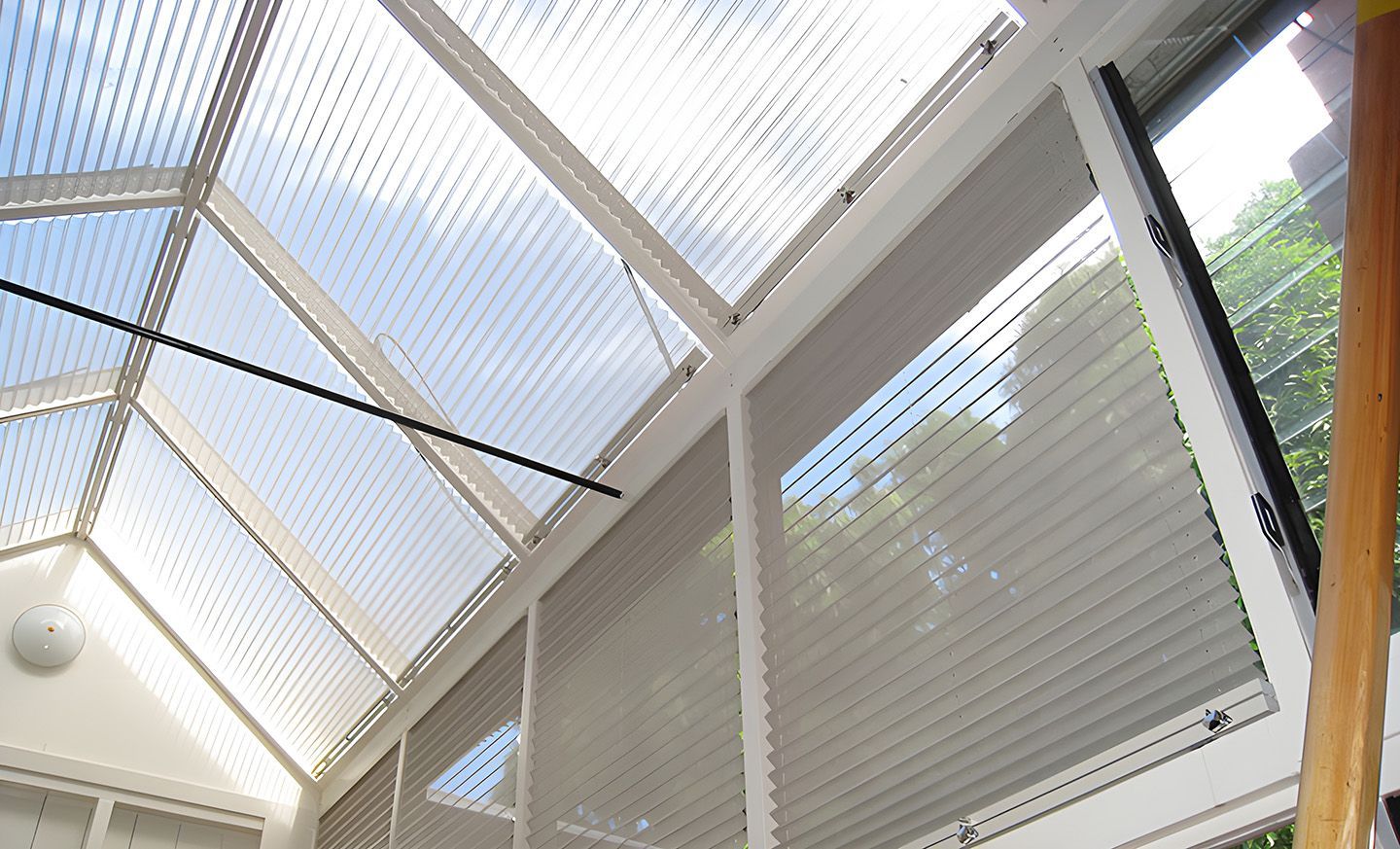
Identify What Is Causing the Noise
Before making any adjustments, it is important to determine exactly where the sound is coming from. Different blind styles can create different types of noise depending on their design, materials and installation. Taking a little time to identify the source can save considerable effort later.
Here are some of the most common causes:
- Slats tapping against the window glass.
- Bottom rails moving back and forth during windy conditions.
- Loose brackets, chains or components vibrating when air circulates.
Once the source of the noise has been identified, it becomes much easier to find an effective solution. In many cases, a simple adjustment can significantly reduce unwanted sounds and improve the comfort of your living space.
Check Your Blinds for Loose Components
Over time, everyday use can cause various parts of a blind system to loosen slightly. While these small movements may go unnoticed under normal conditions, windy weather can amplify the problem and turn a minor issue into a constant irritation.
A closer inspection may reveal:
- Mounting brackets that need tightening.
- Chain guides or operating mechanisms that have become loose.
- Screws and fittings that have shifted over time.
Regular maintenance helps keep blinds operating smoothly while also reducing the likelihood of rattling noises. Spending a few minutes checking fittings every now and then can prevent larger issues from developing down the track.
Secure the Bottom Rail
The bottom rail is one of the most common sources of movement in windy conditions. As air enters through gaps around windows or doors, the rail can swing freely and repeatedly knock against nearby surfaces. This can be particularly noticeable at night when surrounding noise levels are lower.
A few simple adjustments can help:
- Install hold-down clips to keep the rail secure.
- Use guide wires where suitable.
- Ensure the blind is properly tensioned.
Securing the bottom portion of the blind can dramatically reduce noise while also helping the blind maintain a neater appearance throughout the day. It is often one of the quickest and most effective solutions available.
Consider the Impact of Open Windows
Sometimes the problem is not the blind itself but the airflow inside the room. Even a partially open window can create pressure changes that cause blinds to move unexpectedly, particularly when winds are strong outside.
It may be worth trying the following:
- Adjust windows during particularly windy periods.
- Close nearby doors that create strong air currents.
- Position blinds to reduce direct exposure to moving air.
Making small changes to ventilation can often reduce blind movement without affecting comfort inside the home. Finding the right balance between airflow and stability can make a noticeable difference.
Choose Blind Styles That Move Less
Not all blinds respond to wind in the same way. Some styles naturally offer greater stability and are less likely to rattle when conditions become blustery. Choosing the right product from the beginning can save a great deal of frustration later.
If you are considering new window furnishings, look at options such as:
- Roller blinds with secure bottom rails.
- Plantation shutters with fixed panels.
- Channel-guided systems designed to minimise movement.
For homeowners considering blinds in Mittagong, selecting a product that suits local weather conditions can help prevent ongoing noise issues while improving overall functionality. A well-chosen blind can enhance both comfort and long-term performance.
Add Soft Contact Points
If blinds are tapping against glass or window frames, adding soft contact points can help absorb the impact and reduce noise. This approach is often inexpensive and can be implemented without replacing existing blinds. Small modifications can often make a noticeable difference, particularly when blinds regularly come into contact with hard surfaces during windy weather.
Some effective solutions include:
- Small adhesive bumpers on contact areas.
- Protective pads where rails meet frames.
- Soft stops that cushion repeated movement.
For many homeowners researching Mittagong blinds, these simple additions can be an effective first step before considering more extensive upgrades or replacements. They are generally affordable, can help minimise wear and tear and often make a noticeable difference to rattling and knocking sounds throughout the home.
Ensure Professional Installation
Even high-quality blinds can become noisy if they are not installed correctly. Poor alignment, inadequate support or incorrectly positioned brackets can all contribute to unnecessary movement during windy weather.
Professional installation helps ensure:
- Correct bracket placement and support.
- Proper blind tension and operation.
- Secure mounting suitable for the window type.
A well-installed blind system is less likely to shift, vibrate or develop noise-related issues over time. Professional installation can also provide peace of mind that the product is performing exactly as intended.
Know When It Is Time to Upgrade
Sometimes ongoing noise problems indicate that older blinds are no longer performing as they should. Wear and tear, ageing components and outdated designs can all contribute to excessive movement and ongoing frustration.
Here are some signs it may be time to replace your blinds:
- Frequent rattling despite adjustments.
- Visible damage or warping.
- Difficulty operating the blinds smoothly.
Modern blind systems often include features specifically designed to improve stability and reduce movement. Upgrading can be a worthwhile investment for homeowners looking to improve both comfort and functionality.
Finding The Right Solution for Your Home
We at Southern Blinds & Awnings understand the challenges that local weather can create for homeowners looking for reliable blinds in Mittagong. Whether you are replacing ageing window furnishings, renovating a property or simply searching for a solution to noisy blinds, our team can help you find options that combine style, functionality and durability.
When choosing new blinds, it is important to consider factors such as window orientation, airflow and how often the space is exposed to strong winds. The right product can do much more than improve appearance. It can help create a quieter, more comfortable environment while delivering the privacy and light control you need every day.
If you are ready to reduce rattling, improve comfort and invest in window furnishings designed to perform well in local conditions, get in touch with us to discuss the right solution for your home.