How To Fix The Most Common Light Control Problems With Bowral Blinds
Light can transform a room, but when it becomes too bright, too uneven or too intrusive, it quickly turns into a daily frustration. Whether it’s glare bouncing off your screens, light leaking around the edges of old blinds in Bowral or sunlight fading your furniture, many homes deal with issues that stem from poor light control. The good news is that the right window coverings can completely reshape the way natural light behaves inside your home.
Below, we explore the most common problems people experience with managing light, why these issues occur and how choosing the right blinds Bowral homeowners rely on can restore both comfort and functionality.
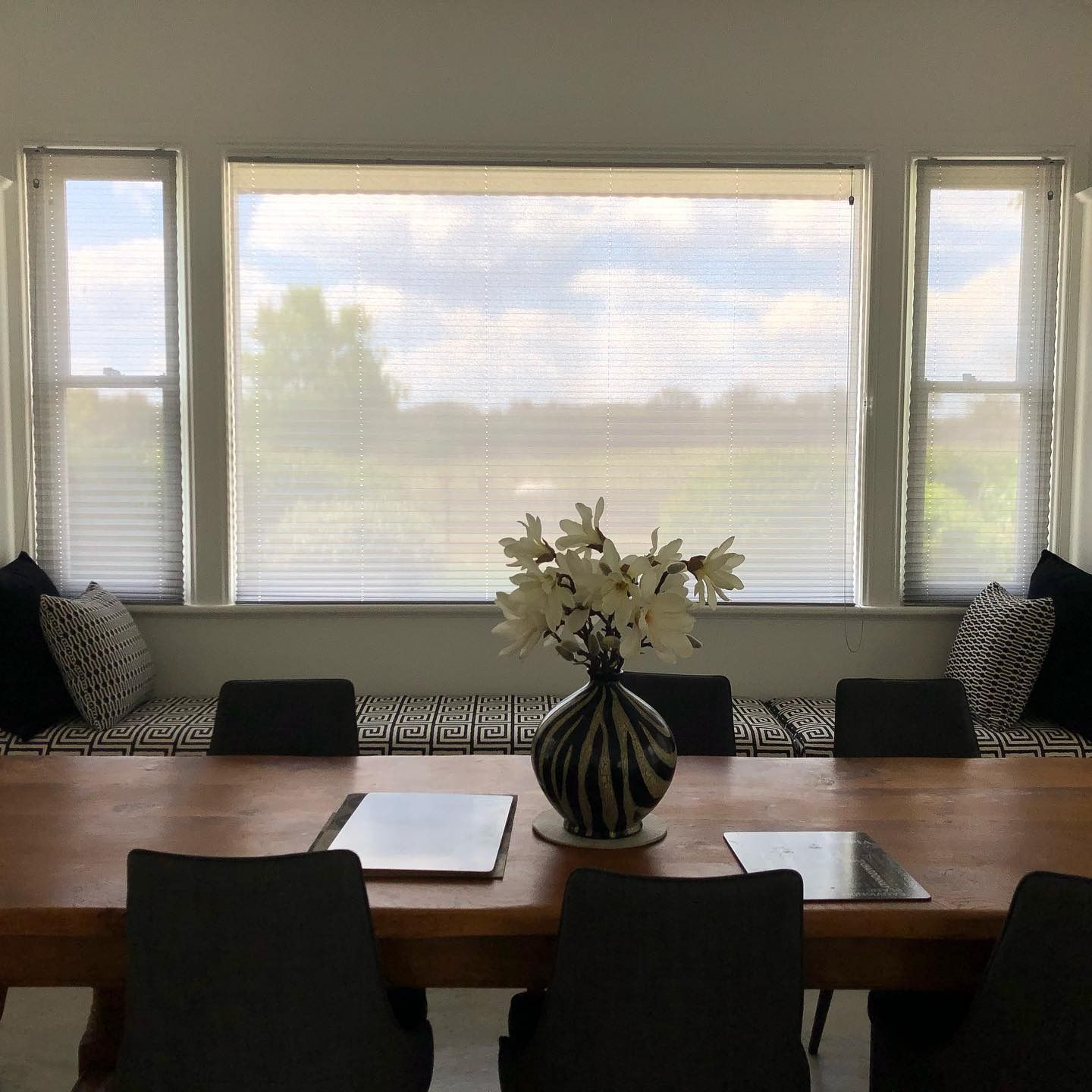
1. Glare That Disrupts Daily Activities
Glare is one of the most disruptive light issues in any room. It hits hardest when the sun sits low in the sky or reflects off hard surfaces, making it uncomfortable to read, work or relax. Many older blinds struggle to soften or filter harsh light, usually because the fabric or mechanism no longer functions as intended.
Well-designed blinds in Bowral help diffuse sunlight without blocking it entirely, allowing you to retain brightness while eliminating visual strain. Many modern fabrics provide a soft, filtered effect that works throughout the day.
Common causes of glare include:
- Thin or worn fabrics that no longer filter light effectively
- Gaps along the sides of the blinds
- Outdated systems that cannot be tilted or adjusted with precision
2. Rooms That Never Get Dark Enough
Insufficient blackout is another common frustration. Bedrooms, media rooms and nurseries often need deeper light control, yet standard blinds may leave bright strips of unwanted light along the sides or bottom. This is especially common with blinds that were installed without proper measurement or those made from low-density materials.
Blackout fabrics and custom-fitted systems can significantly improve darkness by preventing light from slipping through. The key is pairing the right style with accurate sizing.
The typical reasons rooms fail to darken include:
- Fabric density too low for the intended purpose
- Blinds fitted too loosely against the window frame
- Light gaps caused by warped materials or ageing components
3. Uneven Light Patterns Throughout the Home
Light distribution is often overlooked until you notice certain corners of a room appear washed out while others remain shadowy. Uneven lighting can distort colour, reduce visibility and make rooms feel unbalanced.
Blinds with adjustable slats or dual-layer fabrics let you fine-tune the direction and amount of light entering the space. This improves the overall atmosphere and helps maintain consistency in areas used for reading, cooking or work.
Uneven distribution usually comes from:
- Fixed fabrics that don’t allow for controlled adjustment
- Window shapes that require custom solutions
- Blinds that droop or roll unevenly due to wear
4. Sunlight Fading Furniture, Flooring & Furnishings
UV radiation is powerful enough to fade fabrics, timber floors and artwork. Even indirect sunlight can cause damage over time when windows lack proper protection. Many older blinds filter only visible light, not UV rays, leaving interiors exposed.
Specialised fabrics are now available that significantly reduce UV penetration while still allowing natural light to illuminate the room. This level of protection helps preserve surfaces and extend the lifespan of your décor.
UV-related fading often stems from:
- Basic fabrics without UV filtering properties
- Blinds left partially open because they cannot fully block the light
- Window coverings using materials that break down over time
5. Heat Build-up from Direct Sunlight
Heat can quickly accumulate in rooms that receive long stretches of direct sun, leading to discomfort and increased cooling costs. Many homeowners assume this is unavoidable, but high-quality blinds play a major role in temperature regulation.
Thermal fabrics and insulating designs reduce heat transfer at the window, stopping warm air before it enters the room. This is particularly beneficial for living spaces with large windows or areas exposed throughout the afternoon.
Heat issues typically arise due to:
- Minimal insulation provided by older blinds
- Fabrics too thin to block radiant heat
- Gaps around the edges allowing warm air to seep through
6. Privacy Problems Due to Transparent or Poorly Fitted Blinds
Privacy matters day and night, yet many blinds become translucent after years of sun exposure or were never designed to provide complete coverage. Homes with poor privacy control often rely on temporary fixes like curtains or furniture placement, which rarely solve the underlying issue.
Upgrading to blinds designed specifically for privacy can restore comfort and confidence. Features such as tightly woven fabrics, dual-day/night systems and adjustable slats allow you to manage visibility without sacrificing natural light.
Common privacy issues come from:
- Lightweight fabrics that become see-through at night
- Blinds that sit too far away from the window frame
- Mechanisms that don’t allow partial or angled coverage
7. Light Leaks Caused by Low-quality or Poorly Fitted Blinds
Light leaks occur when blinds don’t fully match the dimensions of the window, when the fabric curls or when the installation wasn’t completed with proper alignment. Even small gaps can create bright streaks that disrupt sleep or screen use.
A professionally measured and installed blind fixes these problems instantly. Custom measurements ensure the fabric meets the edges of the window precisely, and modern track systems can reduce or eliminate gaps altogether.
Light leaks are most often caused by:
- Incorrect sizing
- Warped roller tubes or bent components
- Fabrics that shrink over time
8. Blinds That No Longer Adjust Smoothly or Evenly
When blinds stop rolling smoothly or slats begin to tilt unevenly, your ability to control light becomes limited. Mechanical wear is inevitable over time, but in many cases, the issue stems from poor-quality parts or fabric tension problems.
Modern blind systems use improved mechanisms that maintain alignment and consistency, making them easier to operate and longer lasting. A new installation not only enhances the look of your space but also restores proper light control.
Adjustment issues generally result from:
- Worn or stretched cords
- Damaged rollers or tilt systems
- Blinds installed without proper support at key points
Get in Touch
At Southern Blinds & Awnings, we help homeowners solve light control problems with tailored window covering solutions. If glare, heat, fading furniture or inconsistent light are becoming an issue in your home, our team can recommend blinds that work beautifully with the local climate and the unique architectural challenges in the area. Visit our website to book a consultation and speak with a specialist who can guide you toward the right options for your space. If you’re looking for ‘blinds near me’, we’re here to help.